
A complete guide to importing therapeutic products into Singapore, from HSA licences and product registration to customs clearance and cold chain logistics.
Importing therapeutic products into Singapore requires an HSA Importer's Licence held by a Singapore-registered company, an HSA product registration (Certificate of Registration) for each product, and proper customs documentation. The process involves licence application, product registration, shipment preparation with a Certificate of Free Sale, Singapore Customs clearance, incoming quality inspection, and storage under appropriate conditions. Unregistered products may only be imported under the Special Access Route (SAR) for named patients.
Singapore regulates the import of therapeutic products under the Health Products Act. Before importing, you must determine:
| Product Category | Import Requirement |
|---|---|
| Registered therapeutic products | HSA Importer's Licence + product registration + import permit |
| Unregistered therapeutic products | Special Access Route (SAR) approval for named patients or hospital buffer stock |
| Health supplements | No HSA import licence required, but must comply with ingredient and labelling rules |
| Clinical trial materials | Clinical trial import authorisation via CTIS |
| Medical devices | SMDR registration + appropriate import authorisation |
| Controlled substances (narcotics, psychotropics) | Additional CNB (Central Narcotics Bureau) permit required |
| Veterinary medicines | AVS (Animal and Veterinary Service) import permit |
The HSA Importer's Licence is a company-level licence that authorises a Singapore-registered entity to import therapeutic products. Key requirements:
Innorini holds an HSA Importer's Licence and can act as the importer of record for partner products, eliminating the need for foreign companies to establish their own Singapore import infrastructure.
Each therapeutic product imported into Singapore must be registered with HSA (hold a Certificate of Registration) unless it qualifies for an exemption or SAR. The product registration process involves:
For a detailed walkthrough of product registration, see our How to Register a Drug in Singapore guide.
Each import shipment requires the following documentation:
| Document | Purpose | Issued By |
|---|---|---|
| Invoice | Commercial value, product description, quantity | Manufacturer/exporter |
| Packing list | Detailed breakdown of cartons, weights, dimensions | Manufacturer/exporter |
| Certificate of Free Sale (CFS) | Confirms product is freely sold in country of origin | Regulatory authority of exporting country |
| Certificate of Analysis (CoA) | Batch-specific quality test results | Manufacturer's QC laboratory |
| GMP certificate | Confirms manufacturing site GMP compliance | Regulatory authority or qualified auditor |
| Air waybill / Bill of lading | Transport document | Freight forwarder / airline / shipping line |
| Cold chain documentation | Temperature log for refrigerated/frozen products | Freight forwarder / logistics provider |
| Import permit | HSA authorisation for the specific shipment | HSA (via PRISM) |
Each shipment is declared to Singapore Customs through TradeNet using the relevant HSA product code (HSAHP for registered therapeutic products), with the importer’s HSA licence details. The declaration:
Check the current requirements on Singapore Customs’ HSA page before each new product line.
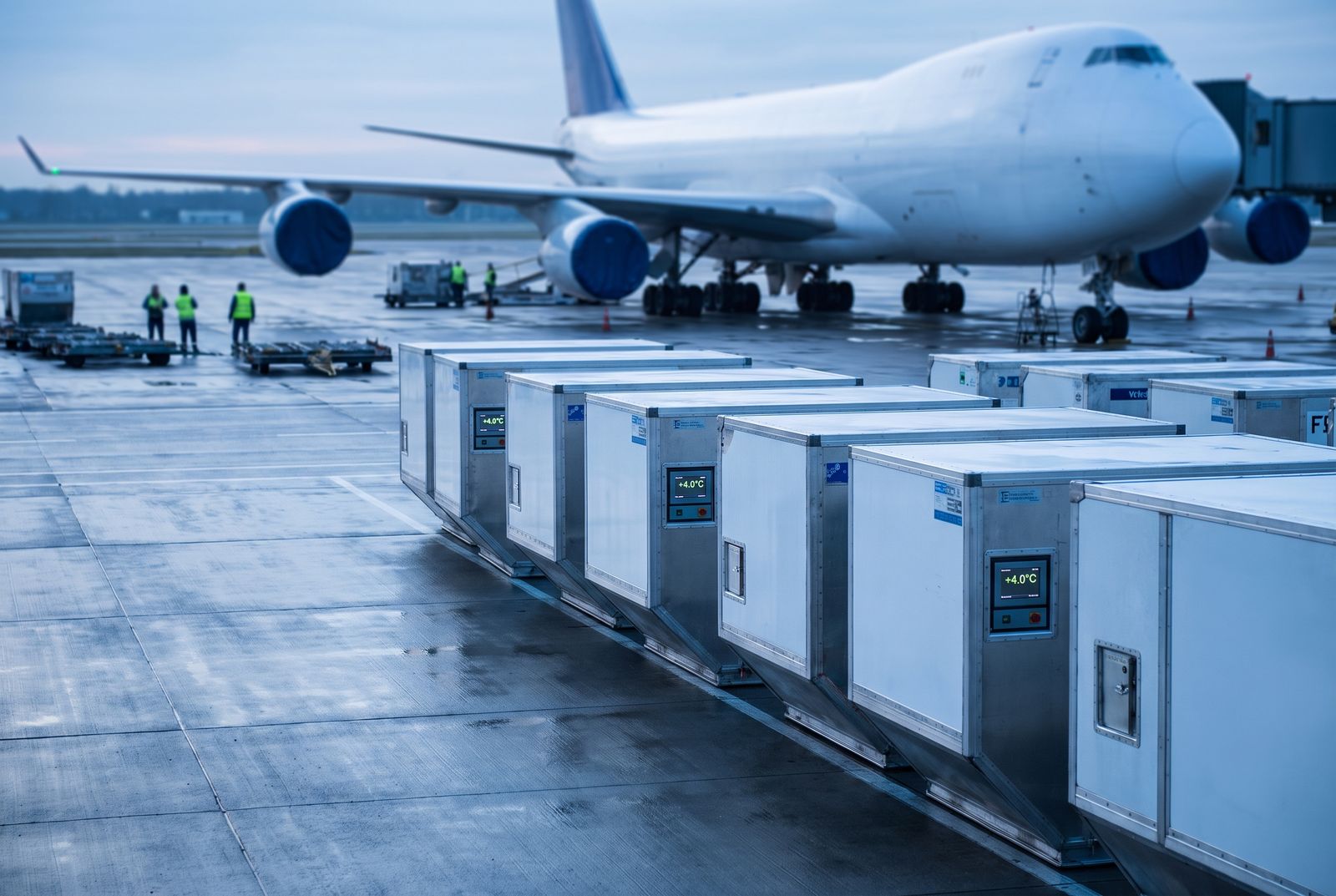
Many pharmaceutical products require temperature-controlled transportation and storage. Key considerations:
Vaccines, biologics, insulin, and some antibiotics require continuous 2-8C cold chain from manufacturer to Singapore warehouse. Use validated refrigerated containers and temperature loggers.
Most oral solids and topicals require controlled room temperature. Avoid extreme temperature exposure during transit, especially in tropical climates.
Some biologics and clinical materials require frozen transport. Use dry ice or validated frozen containers with temperature monitoring.
Have SOPs for handling temperature excursions, including assessment of product impact and quarantine of affected stock.
When the shipment arrives in Singapore, the clearance process involves:
Upon receipt at the licensed premises, the importer must conduct incoming quality inspection:
After inspection, products are moved to appropriate storage areas. Requirements include:
Unregistered therapeutic products can only be imported into Singapore under the Special Access Route, which is limited to:
The importing company must hold both an Importer's Licence and a Wholesaler's Licence, and the Responsible Person must be a pharmacist for POM/unregistered products. For more details, see our Special Access Route guide.
Importing therapeutic products without a valid HSA Importer's Licence is an offence. Foreign companies must partner with a licensed Singapore importer.
Missing or inconsistent documents, including a Certificate of Free Sale where one is required, can hold up registration or clearance. Check what HSA requires for your product before shipping.
Temperature excursions during transit can render products unusable. Use validated logistics providers and continuous temperature monitoring.
Goods arriving without a valid import permit may be detained at the port, incurring storage fees and potential disposal costs.
Importing a therapeutic product classified as a supplement (or vice versa) can lead to seizure, penalties, and enforcement action.
The importer must have a qualified Responsible Person (pharmacist for POM) overseeing import operations. This cannot be delegated to unqualified staff.